DMARC Record Generator
Build a DMARC TXT record that tells mailbox providers how to handle messages that fail SPF or DKIM alignment for your domain.
TL;DR
- Start with
p=nonewhen you are monitoring authentication, then move toward quarantine or reject once legitimate mail passes. - Use aggregate reports to see which services are sending for your domain and whether SPF or DKIM alignment is failing.
- DMARC depends on working SPF and DKIM, so check those records before enforcing a stricter policy.
Configure Your DMARC Policy
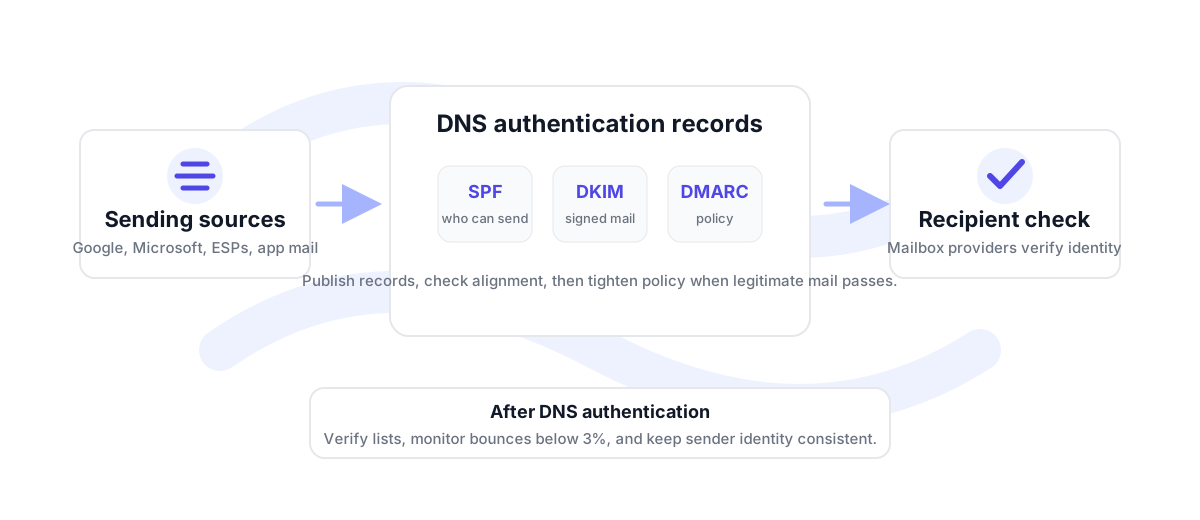
How to choose the right DMARC policy
DMARC is published as a TXT record at _dmarc.example.com. It does not replace SPF or DKIM. Instead, it checks whether SPF or DKIM aligns with the visible From domain and then applies the policy you publish. A new domain usually starts with p=none so you can collect reports without blocking mail. Once you know all legitimate senders are authenticated, you can move to p=quarantine and eventually p=reject.
The reporting address in rua receives aggregate reports from participating mailbox providers. Those reports help you see which services are sending mail for the domain, which ones pass authentication, and which ones need SPF or DKIM fixes. Forensic reports in ruf are optional and are not supported consistently by every provider, so many teams rely mostly on aggregate reporting.
The percentage setting lets you roll out enforcement gradually. For example, a domain can move from monitoring to quarantine for a small share of failing mail before applying the policy to all mail. This is useful when a domain has multiple teams or platforms sending from it.
Start with p=none and a reporting mailbox so you can see authentication results before enforcement.
Make sure your main senders pass SPF or DKIM alignment for the From domain.
Move toward quarantine or reject only after legitimate mail is passing authentication.
DMARC setup for campaign and product sending
For marketing, sales, and product email, DMARC should be paired with list hygiene and sender monitoring. Authentication reduces impersonation risk and helps mailbox providers understand your sender identity. It does not make invalid addresses deliverable. Before sending to a large CSV, verify the list with bulk verification or test individual addresses with the email verifier.
If you are setting up a new domain, use the SPF generator and DKIM generator first. Then generate DMARC, publish it, and run the DMARC checker. A bounce rate under 3% is healthy; 3-5% needs cleanup and attention; above 5% is high risk for sender reputation.
DMARC rollout checklist
Do not jump straight to a strict policy unless the domain has a simple sending footprint and every sender is already verified. Most teams should monitor first, review aggregate reports, fix the sources that fail alignment, and then tighten the policy in stages. This avoids blocking legitimate invoices, support replies, password resets, or campaign messages that were not fully authenticated yet.
Use a reporting mailbox that someone actually reviews, or route reports into a monitoring service. The value of DMARC reporting is visibility: it shows which systems are using the domain and whether they pass SPF or DKIM alignment. That information is especially useful when several teams control different email platforms.
For subdomains, decide whether the root policy should apply or whether the subdomain needs its own policy. Many teams keep outreach, newsletters, and product mail on separate subdomains so DNS changes and reputation signals are easier to manage.
DMARC generator FAQ
Where do I publish a DMARC record?
Publish it as a TXT record at _dmarc followed by your domain, such as _dmarc.example.com.
Should I start with p=none?
Yes, for most new setups. p=none lets you collect reports and fix legitimate senders before enforcing quarantine or reject.
What does pct mean in DMARC?
The pct tag controls the percentage of failing messages that receive the published policy. It is useful for gradual enforcement.
Does DMARC work without SPF or DKIM?
DMARC depends on SPF or DKIM alignment. At least one aligned authentication method needs to pass for a normal DMARC pass.